
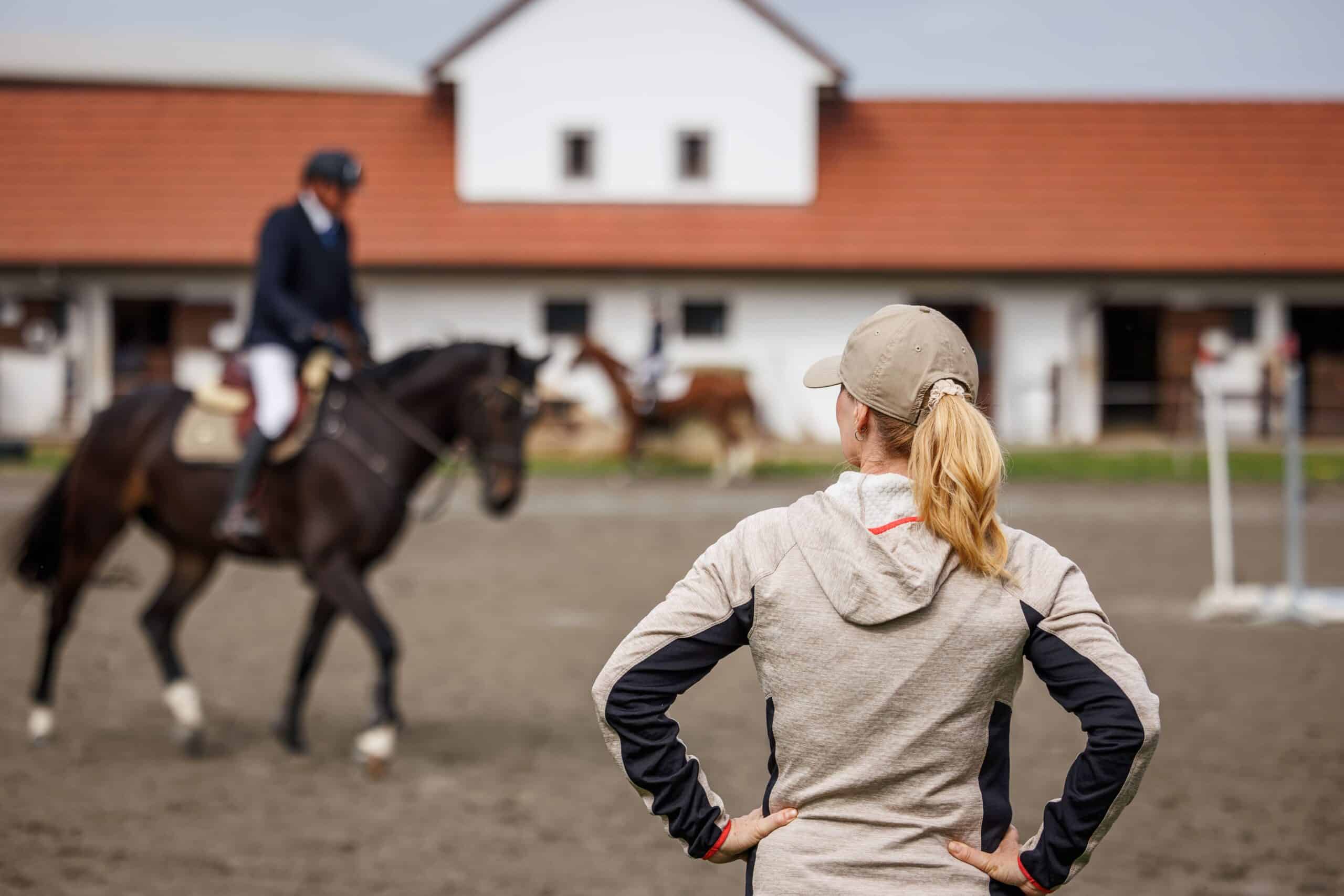
Anyone searching for Show Jumping Horses for sale expects strong performance, yet only a few understand what it takes to keep these equine athletes prepared for demanding courses. Behind polished appearances lies a complex system of routines, decisions and expert care that turns raw talent into consistency. This article opens that curtain, outlines the real challenges and highlights the professional mindset shaping daily practice.
The Demands Hidden Behind Every Competitive Horse
Competitive riding looks effortless from the stands. Specialists know the truth: a horse’s peak form depends on dozens of small, precise steps carried out every day. Miss one of them, and performance drops. Readers often underestimate the level of fine-tuning required—nutrition, musculature, mental focus, training rhythm. Each variable interacts with the next. If you aim to understand the professional layer behind elite sport horses, this perspective sharpens your sense for what defines consistent results.
How Experts Structure Training for Maximum Stability
Ask any seasoned pro, and the first response is simple: rhythm. Not speed—regularity. Horses thrive on structure, and experts build training plans around predictable cycles that strengthen stamina without pushing limits too far. On light days, work shifts toward flexibility. On intense days, gymnastic lines or technical combinations refine coordination. This balance reduces physical stress and boosts confidence. Readers looking for Show Jumping Horses for sale often search for animals already trained within such methods, because structured routines produce reliable performance in the ring.
Nutrition: The Silent Engine Behind Athletic Output
Muscles need fuel, but more importantly, they need the right kind. Professionals tailor diets with specialist precision: controlled starch, high-quality fiber, targeted supplements, plenty of hydration. They adjust feed based on season, workload and temperament. The lesson is straightforward—nutrition is not about quantity but strategy. This is a layer of expertise many buyers only realize when they first observe a well-managed stable. It separates intuition from professionalism.
Why Mental Conditioning Matters as Much as Physical Strength
A confident horse delivers sharper takeoffs, cleaner lines and fewer refusals. Professionals cultivate confidence deliberately. They introduce unfamiliar elements before competitions, allow recovery time after difficult sessions and reward focus at the right moment. These small details build trust. Readers evaluating Show Jumping Horses for sale often prioritize horses with calm but energetic dispositions, which is rarely accidental. It is the outcome of consistent mental preparation.
Infrastructure and Daily Logistics: Invisible but Essential
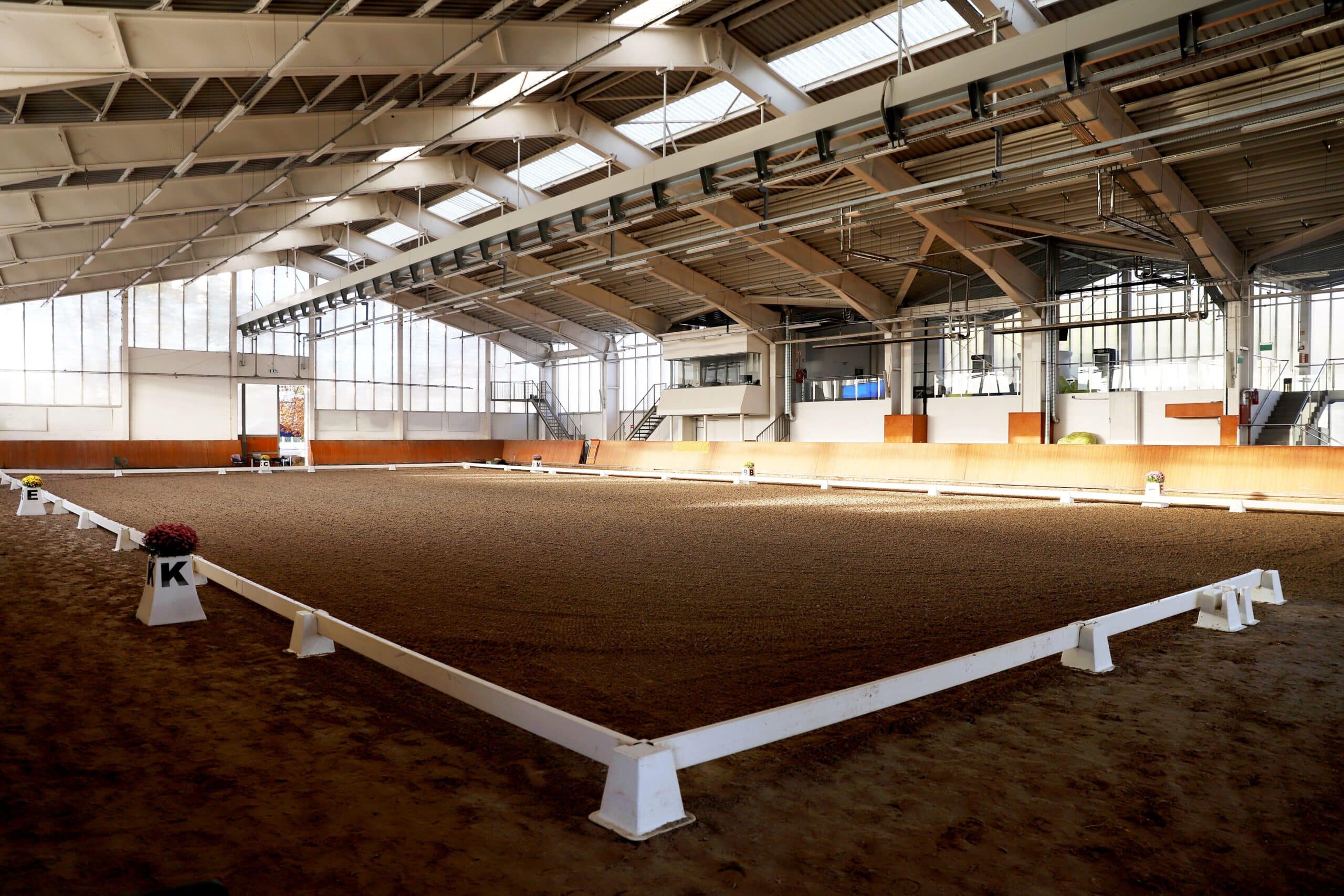
Stable management sounds mundane—until you see its impact on performance. Temperature control, footing maintenance, turnout routines and safety protocols form the framework that protects athletic potential. Specialists treat these tasks as seriously as training. Even the best horse loses sharpness without clean organization. One of the most reliable examples of such professional standards can be found on https://www.jw-horses.com/en/show-jumping-horses-for-sale, where buyers experience the level of management required to maintain horses at competition level and understand the environment that shapes their abilities.
The Professional Network Supporting Every Top Horse
No expert works alone. Each competitive horse benefits from a coordinated team: trainer, veterinarian, farrier, physio, saddle specialist. Their cooperation keeps performance stable across the season. For buyers wanting Show Jumping Horses for sale, this network signals reliability and reduces future risk. A well-trained eye can trace the quality of this system through small indicators—muscle tone, coat condition, attitude during warm-up.
How Buyers Benefit From Understanding Expert Routines
Knowledge empowers better choices. When buyers understand how professionals maintain athletic standards, they recognize value faster and make informed selections. It sharpens their instinct for conformation, training quality and long-term potential. It also protects them from costly misjudgments, because they see beyond first impressions. In short: deeper insight improves every decision linked to Show Jumping Horses for sale.
Checklist: Key Factors to Review Before Considering Show Jumping Horses for sale
| ✅ | Item to Review |
|---|---|
| ☐ | Confirm the horse’s current workload to understand how its daily routine aligns with your intended training level. |
| ☐ | Evaluate symmetry during basic movements, especially transitions, to detect early signs of imbalance. |
| ☐ | Check the horse’s response to new surroundings to gauge adaptability under unfamiliar conditions. |
| ☐ | Review recent maintenance records such as bodywork sessions, dental care and hoof balance adjustments. |
| ☐ | Observe behaviour during grooming to assess tolerance, trust and general manageability. |
| ☐ | Ask for detailed information about the horse’s recovery habits, including rest cycles and post-training behaviour. |
| ☐ | Inspect equipment fit (saddle, bridle) for signs of pressure points that may affect long-term comfort. |
| ☐ | Verify the horse’s logistical readiness, including trailer loading routine and travel behaviour. |
| ☐ | Assess the consistency of feeding practices, focusing on how well the horse maintains energy across varied work days. |
| ☐ | Clarify the horse’s competition schedule to understand its exposure to different venues and course styles. |
Strength in Structure

Success in competitive riding does not hinge on single actions. It results from precise structures, careful planning and constant awareness. Specialists convert complexity into steady performance, one routine at a time. Anyone exploring Show Jumping Horses for sale benefits from studying these methods, because they reveal what turns talent into durability. Behind elite results stands a system—well-crafted, disciplined and surprisingly elegant.
Image source: encierro, acceptfoto, Terri Cage, Adobe Stock
